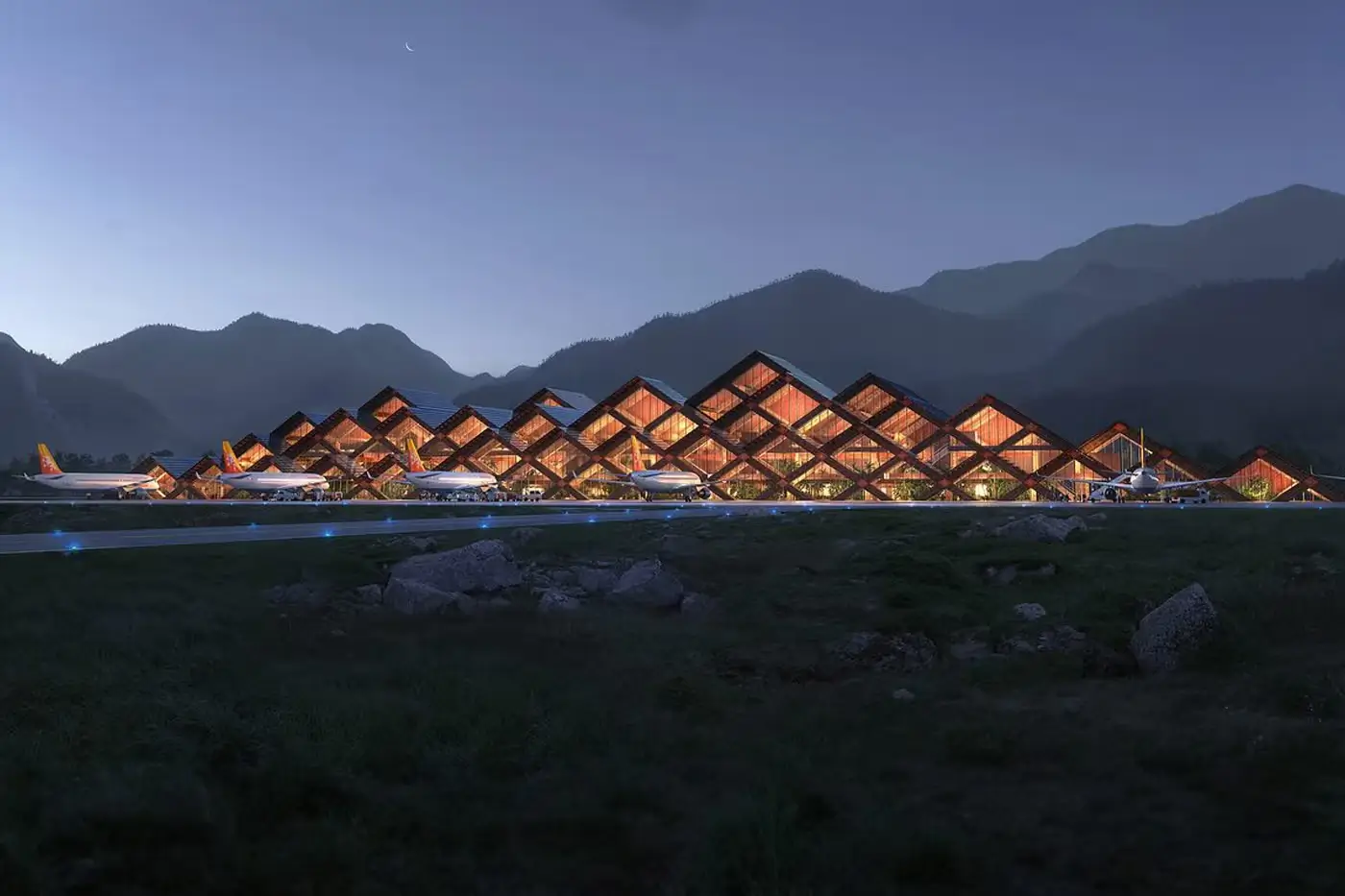
In the eastern Himalayas, nestled between economic giants India and China, the Kingdom of Bhutan is embarking on an unprecedented journey of economic transformation while maintaining its deeply held values. For decades, Bhutan has been known globally for prioritizing Gross National Happiness over Gross Domestic Product, for maintaining its pristine natural environment with over 70% forest cover, and for its careful, measured approach to development and modernization. Now, Bhutan is opening a new chapter in its history with the development of Gelephu Mindfulness City (GMC), a visionary project that represents perhaps the most exciting investment frontier in Asia today.
For international investors who may be unfamiliar with Bhutan or who have previously overlooked this small Himalayan kingdom as an investment destination, Gelephu Mindfulness City offers a compelling proposition: the opportunity to participate in building a city of the future from the ground up, guided by principles of sustainability, mindfulness, and economic innovation. This is not merely another special economic zone or tax haven, but rather a holistic reimagining of what urban development can achieve when human wellbeing and environmental stewardship are prioritized alongside economic growth.
This guide sets out, as matters stand in 2026, the vision, structure, opportunities and processes for investing in Gelephu Mindfulness City. Whether you represent a multinational corporation, a family office, a venture capital firm, or are an individual investor seeking meaningful opportunities, understanding GMC's unique positioning and potential will equip you to evaluate this emerging market with clarity and confidence.
Historical Context: Bhutan's Journey to GMC
To fully appreciate the significance of Gelephu Mindfulness City, it is essential to understand Bhutan's distinctive developmental path. Unlike many of its Asian neighbors, Bhutan has never prioritized rapid economic growth at the expense of cultural preservation or environmental protection. Since opening to the outside world in the 1970s, Bhutan has followed a middle path, carefully balancing modernization with tradition.
This approach is exemplified by Bhutan's pioneering concept of Gross National Happiness (GNH), introduced by the Fourth King of Bhutan, Jigme Singye Wangchuck, as an alternative to GDP. GNH measures development through nine domains: psychological wellbeing, time use, community vitality, cultural diversity, ecological resilience, living standard, health, education, and good governance. This holistic framework has guided Bhutan's development decisions for decades, earning international recognition as a model for sustainable development.
Against this backdrop, the concept of Gelephu Mindfulness City was developed over several years under the guidance of the current monarch, King Jigme Khesar Namgyel Wangchuck. The King unveiled the plan to the public during his Royal Address at the 116th National Day celebration on December 17, 2023, marking a new phase in Bhutan's careful integration with the global economy.
The GMC project was not conceived in isolation but emerged as part of Bhutan's broader efforts to diversify its economy, address youth unemployment, stem urban migration to the capital city of Thimphu, and create sustainable opportunities for future generations. It represents a thoughtful evolution of Bhutan's development philosophy, not a departure from it.
Geographic and Strategic Positioning
Gelephu Mindfulness City Special Administrative Region covers about one million acres, roughly 4,000 square kilometres and about 10% of Bhutan, on the southern plains of Sarpang district. Its location is strategically significant on multiple levels:
- Cross-Border Connectivity: Gelephu sits at the border with India's Assam state, providing direct access to one of India's fastest-growing regions. The planned railway connection between Gelephu and Kokrajhar in Assam will further enhance this connectivity, integrating GMC with India's extensive rail network.
- Regional Hub Potential: Positioned between South Asia and Southeast Asia, GMC has the potential to serve as a connecting point between markets that collectively encompass over two billion people. This location advantage is particularly valuable as Asian economies continue to grow and integrate.
- Natural Resources: The region enjoys abundant water resources, arable land, and access to Bhutan's substantial hydropower capacity. This combination provides a strong foundation for sustainable development across multiple sectors.
- Climate Advantage: Unlike Bhutan's mountainous regions, Gelephu has a subtropical climate that is conducive to year-round business operations and agricultural production, while still benefiting from proximity to the Himalayan ecosystem.
The city's strategic location was eloquently described by His Majesty the King: "Gelephu will become a gateway connecting Bhutan to the world and the future. The road we have chosen is a gateway to the world, to markets, capital, new ideas, knowledge, and technology towards our future, and to chart our destiny."
Governance Structure: Autonomy with Purpose
Gelephu Mindfulness City is a Special Administrative Region established under Royal Charter No. 1 of 2024, granted on 10 February 2024, with its first laws in operation from December 2024, with full executive and legislative powers and an independent judiciary, administered by the Gelephu Mindfulness City Authority (GMCA). This status gives GMC the flexibility to create a business-friendly environment while maintaining alignment with Bhutan's core values and vision.
Executive Leadership
The project is led by a distinguished team of international and Bhutanese leaders:
- Chairman: His Majesty King Jigme Khesar Namgyel Wangchuck
- CEO: Liew Mun Leong, an international business leader with extensive experience in urban development
- Governor: Dasho Dr. Lotay Tshering, former Prime Minister of Bhutan
- Board of Directors: A diverse group of experienced figures in investment, infrastructure, education, technology, and sustainable development
This leadership structure combines international expertise with deep understanding of Bhutanese values and governance traditions, ensuring that GMC's development remains both globally competitive and authentically Bhutanese.
Legal Framework
GMC's first law received Royal assent on December 26, 2024, and the statute book has grown steadily since. All GMC legislation is enacted in English. The framework comprises:
- The Application of Laws Act 2024 (Law No. 1 of 2024), amended in 2025 and 2026, under which the received common law and equity of established common law jurisdictions apply in GMC, with applied statutes listed in Schedule A and applied financial services rules listed in Schedule B
- GMC's own Acts: the Companies Act 2025, Customs Act 2025, Employment Act 2025, Employment of Foreign Workforce Act 2025, Financial Services Act 2025 and Income Tax Act 2025, followed in 2026 by the Business Names Registration Act, Limited Liability Partnerships Act, Limited Partnerships Act, Partnership Act, Sale of Goods Act and Unfair Contract Terms Act
The result is a legal system familiar to global businesses: common law principles, a modern companies statute administered by the Gelephu Corporate Registration Office (GCRO), and a single financial services regulator, the Gelephu Financial Services Office (GFSO), which licenses banking, capital markets, payments, insurance and digital assets under the Financial Services Act 2025.
The city's financial ecosystem incorporates international standards, including stringent KYC (Know Your Customer) regulations and robust anti-corruption protocols. This emphasis on transparency and accountability aims to create a business environment where ethical practices are not merely encouraged but expected and enforced.
Autonomous Systems
GMC features independent executive, legislative, and judicial systems that operate with considerable autonomy while remaining within Bhutan's sovereign framework. This arrangement allows for:
Streamlined decision-making processes
- Regulatory flexibility to attract international investment
- Specialized courts and dispute resolution mechanisms
- Tax under the Income Tax Act 2025: a 15% company rate, no capital gains tax, no withholding tax on dividends, 0% for non-citizen individuals to 31 December 2030, and founders and strategic company reliefs granted by approval
- Experimental approaches to urban governance and development
This autonomous structure enables GMC to serve as a laboratory for innovative governance models that may eventually inform practices throughout Bhutan and beyond.
Development Model: Building with Nature
The development of Gelephu Mindfulness City is guided by Bhutan's philosophy of "Building with Nature", an approach that seeks to work in harmony with natural systems rather than against them. This philosophy is evident in every aspect of GMC's planning and development.
Development Partners
To bring this vision to life, GMC has engaged an impressive roster of international firms with expertise in sustainable urban development:
- MQDC (Magnolia Quality Development Corporation Limited): Project management
- BIG (Bjarke Ingels Group): Urban design, landscape, architecture, and structure
- ARUP: Infrastructure engineering for mobility, water, energy, and digital systems
- CISTRI: Strategic economics and land-use planning
- NACO: Airport feasibility studies and planning
- ERM: Wildlife and ecological preservation
- CDR: River system management, flood control, and ecological impact assessment
This collaboration with international firms brings global practice to GMC's development while respecting local conditions and values.
Sustainable Infrastructure
GMC's infrastructure is designed to integrate modern technology with sustainable practices. Key infrastructure projects include:
- Gelephu International Airport: The airport received its first international flight in December 2025, giving GMC direct international access and reducing dependence on transit through India or Thailand.
- Rail Connectivity: The planned railway connecting Gelephu with Kokrajhar in India's Assam state will integrate GMC with India's extensive rail network, facilitating movement of goods and people.
- Renewable Energy Systems: Leveraging Bhutan's substantial hydropower resources, GMC plans to power all infrastructure with 100% renewable energy, creating one of the world's first carbon-neutral cities of significant scale.
- Digital Connectivity: Advanced digital networks support smart city functions, remote work and innovation ecosystems. GMC runs a Digital Nomad Visa programme with Nomad Club, granting 12 months of stay renewable to 24, positioning GMC as a hub for digital nomads and technology enterprises.
- Water Management: Complete systems for sustainable water use, including stormwater management, water recycling, and flood prevention, will ensure resilience in the face of climate change.
Each infrastructure element is being designed with environmental sustainability as a core principle, ensuring that GMC's development enhances rather than degrades the natural environment.
Eight Priority Industries: Diverse Investment Opportunities
Gelephu Mindfulness City's development strategy is organized around eight priority industries: Spiritual; Health and Wellness; Education and Knowledge; Agri-Tech and Forestry; Green Energy and Technologies; Finance and Digital Assets; Aviation and Logistics; and Tourism. Every expression of interest filed with the GCRO is assessed against this list. The first seven are described below; Tourism is a priority industry in its own right and runs through the spiritual, wellness and aviation clusters. This diversified approach creates multiple entry points for international investors with varying expertise and interests.
1. Spirituality and Cultural Heritage
Vision: To establish GMC as a prominent center of Vajrayana Buddhism and Bhutanese cultural traditions, creating a destination for spiritual tourism, retreats, and cultural exchange.
Investment Opportunities:
- Development of retreat centers and meditation facilities
- Cultural heritage preservation and presentation
- Ethical tourism operations focused on spiritual experiences
- Educational institutions teaching traditional arts, crafts, and knowledge systems
Publishing and media production related to Buddhist philosophy and Bhutanese culture
Market Potential: As global interest in mindfulness, wellness tourism, and authentic cultural experiences continues to grow, GMC's spiritual and cultural offerings can attract visitors seeking alternatives to conventional tourism. Bhutan's established reputation for cultural authenticity and spiritual depth provides a strong foundation for this cluster.
Current Developments: Numerous spiritual and religious projects are currently in development, supported by private donors, religious figureheads, and His Majesty The King. These foundational projects will create an ecosystem that private investors can build upon.
2. Health and Wellness
Vision: To establish GMC as a global destination for holistic health by leveraging Bhutan's pristine environment, traditional healing knowledge, and commitment to wellbeing.
Investment Opportunities:
- Integrative medicine facilities combining Eastern and Western approaches
- Wellness retreats and spa developments
- Medical tourism infrastructure
- Research and development centers for natural medicines and therapies
- Specialized treatment centers focusing on mental health and stress reduction
- Preventative healthcare programs and facilities
Market Potential: The global wellness tourism market is projected to grow substantially in coming years, with increasing demand for destinations that offer whole-person approaches to health. Bhutan's unique positioning as a country that prioritizes happiness and wellbeing gives GMC a compelling narrative advantage in this competitive market.
Competitive Advantage: Unlike many wellness destinations that must artificially create tranquil environments, GMC offers natural beauty, clean air and water, and a cultural context where wellbeing is deeply valued. These authentic qualities can command premium pricing in the global wellness market.
3. Education and Knowledge
Vision: To create a "City of Mindful Learning" with international-standard educational institutions that serve both local and international students while fostering research and innovation.
Investment Opportunities:
- Establishment of international universities and research institutes
- Specialized educational facilities focusing on sustainability, traditional knowledge, and future technologies
- Vocational training centers aligned with GMC's priority sectors
- Education technology ventures leveraging digital connectivity
- Publishing and knowledge dissemination platforms
- Student housing and supporting infrastructure
Market Potential: With growing demand for international education experiences and increasing recognition of the limitations of conventional educational models, GMC offers an opportunity to develop innovative approaches to learning in a unique cultural context.
Strategic Importance: This cluster serves as the cornerstone of GMC's knowledge economy, supporting and driving growth across all eight priority industries by developing talent, fostering entrepreneurship, and building research capabilities.
4. Green Energy and Technologies
Vision: To leverage Bhutan's renewable energy potential and commitment to sustainability to create a hub for green technology innovation and implementation.
Investment Opportunities:
- Renewable energy production and storage solutions
- Green technology research and development facilities
- Sustainable building technologies and materials
- Smart city infrastructure and management systems
- Clean manufacturing operations
- Green data centers powered by renewable energy
- Environmental monitoring and management technologies
Market Potential: As global demand for sustainable technologies continues to grow, GMC's access to abundant renewable energy creates a competitive advantage for energy-intensive operations like data centers and advanced manufacturing.
Current Advantages: Bhutan already generates substantial hydroelectric power, much of which is exported to India. GMC offers an opportunity to capture more value from this energy by hosting industries that can utilize it locally, creating jobs and economic diversification.
5. Finance and Digital Assets
Vision: To establish GMC as an innovative financial center specializing in sustainable finance, digital assets, and cross-border transactions between South and Southeast Asian markets.
Investment Opportunities:
- Banking and financial services targeting regional markets
- Digital asset exchanges and services
- Blockchain technology development
- Sustainable finance and impact investing platforms
- Cross-border payment and remittance services
- Financial technology (fintech) development
Recent Developments: In January 2025 GMC announced that digital assets such as Bitcoin (BTC), Ether (ETH) and BNB would form part of its strategic reserves, and in December 2025 the 10,000 BTC Development Pledge was announced. Digital assets are regulated by the GFSO under the Financial Services Act 2025, and DK Bank, the first GMC-licensed bank, operates in nine currencies and offers digital asset services.
Market Activity: Financial institutions positioned themselves early. On December 18, 2024, Matrixport, a crypto financial services platform, announced its intention to apply for a licence to offer regulated virtual asset services in GMC. The GFSO now licenses under the Financial Services Act 2025, with in-principle approval typically within two to three months and an accelerated pathway for firms already licensed in an established international financial centre.
6. Agri-Tech and Forestry
Vision: To enhance food security, sustainable agriculture practices, and forest product value chains through innovative technologies and responsible management.
Investment Opportunities:
- Export-oriented organic agriculture production
- Food processing and value addition facilities
- Sustainable forestry operations and timber processing
- Laminated timber and other eco-friendly construction materials manufacturing
- Agricultural research and development centers
- Agroforestry systems development
- Certification and quality control services for agricultural exports
Market Context: With the majority of Bhutan's workforce currently employed in agriculture, GMC provides an opportunity to scale up export-oriented agri-food sectors under the Bhutan brand, which is already associated with purity and sustainability in international markets.
Emerging Opportunities: The rising global demand for sustainable building materials creates opportunities for GMC to become a manufacturing, testing, and export hub for laminated timber and other eco-friendly construction materials, adding value to Bhutan's forest resources while maintaining environmental standards.
7. Aviation and Logistics
Vision: To develop Gelephu International Airport as a regional hub connecting South Asia with Southeast Asia and beyond, supporting efficient movement of goods and people.
- Investment Opportunities:
- Airport services and management
- Air cargo facilities and operations
- Warehousing and distribution centers
- Supply chain management services
- Multimodal transportation services
- E-commerce fulfillment centers
- Specialized logistics for high-value or sensitive goods
Development Timeline: Gelephu International Airport handled its first international flight in December 2025, the foundation for GMC's connectivity with global markets.
Regional Context: South Asia has seen increasing numbers of outbound tourists and growing trade volumes in recent years. GMC's strategic location between major Asian markets positions it to capture value from these flows, particularly for specialized services or niche markets.
Environmental Sustainability: Core Principle, Not Afterthought
Environmental sustainability is not merely one aspect of GMC's development but a foundational principle that informs every decision. This approach to sustainability creates both opportunities and expectations for investors.
Building with Nature Philosophy
GMC exemplifies Bhutan's "Building with Nature" philosophy through:
- Preservation of biodiversity and natural ecosystems within and around the city
- Integration of natural systems into urban design, including green corridors, urban forests, and water features
- Low-impact development practices that minimize disturbance to existing landscapes
- Biomimicry approaches that learn from and replicate natural processes in built environments
This philosophy extends beyond aesthetic considerations to fundamental questions of how urban systems interact with natural ones, seeking harmony rather than dominance.
Carbon-Neutral Development
Building on Bhutan's status as one of the world's few carbon-negative countries (absorbing more carbon than it emits), GMC aims to maintain exemplary carbon performance through:
- Powering all infrastructure with 100% renewable energy
- Implementing strict energy efficiency standards for all buildings
- Prioritizing low-carbon transportation systems, including electric vehicles and public transit
- Incorporating carbon sequestration through urban forestry and sustainable land management
- Monitoring and reporting carbon performance with transparent metrics
These commitments align with growing global emphasis on decarbonization and position GMC investments advantageously as carbon regulations tighten worldwide.
Circular Economy Principles
GMC's approach to resource management follows circular economy principles:
- Minimizing waste through design and operational practices
- Implementing full recycling and composting systems
- Promoting sharing, reuse, and repair within the urban economy
- Designing buildings and infrastructure for adaptability and eventual disassembly
- Creating industrial symbiosis where one operation's waste becomes another's input
These principles reduce environmental impact while potentially lowering operational costs and creating new business opportunities in resource recovery and reuse.
Investment Implications
For investors, GMC's environmental commitments have several important implications:
- Standards and Expectations: All investments in GMC will be expected to adhere to strict environmental standards, with transparency about impacts and mitigation measures.
- Competitive Advantage: Businesses that excel in environmental performance may gain preferential treatment, marketing advantages, and potentially lower operational costs.
- Innovation Opportunities: The need for sustainable solutions creates market opportunities for technologies, products, and services that advance environmental goals.
- Risk Mitigation: GMC's emphasis on environmental resilience helps protect investments from climate-related risks and shifting regulatory landscapes.
- Reputational Benefits: Association with a pioneering sustainable city development can enhance corporate reputation and support ESG (Environmental, Social, Governance) goals.
By prioritizing environmental sustainability, GMC offers investors the opportunity to participate in a development model that anticipates rather than reacts to global sustainability trends.
Financial Innovation and Investment Vehicles
GMC's approach to finance blends traditional investment models with digital asset innovation and inclusive investment structures. This creates multiple pathways for different types of investors to participate in GMC's development.
Digital Asset Integration
GMC's January 2025 announcement on the inclusion of digital assets in its strategic reserves, followed by the 10,000 BTC Development Pledge of December 2025, marks a significant innovation in public finance. By recognizing Bitcoin, Ether and BNB as reserve assets, GMC signals both confidence in blockchain technologies and commitment to financial innovation.
For investors in digital assets, the Financial Services Act 2025 and the GFSO provide a regulated environment where:
- Digital asset businesses can operate within a clear legal framework
- Financial services involving cryptocurrencies can be developed and tested
- Blockchain-based solutions for various sectors can be implemented
- Cross-border transactions using digital assets are recognized and facilitated
Traditional Finance Adaptation
While embracing digital innovation, GMC is also establishing traditional financial structures adapted to its unique context:
- Banking services for cross-border transactions between South and Southeast Asian markets
- Wealth management services for family offices and high-net-worth individuals
- Project finance vehicles for infrastructure and large-scale developments
- Investment funds focused on GMC's eight priority industries, with fund and family office exemptions under the Income Tax Act 2025
- Partnerships with international financial institutions for risk mitigation
The GFSO is the single regulator for banking, capital markets, payments, insurance and digital assets. Funds and managers from recognised foreign jurisdictions can use a four-week no-objection route, and firms licensed in an established international financial centre have an accelerated pathway, which gives international financial institutions a familiar route into GMC.
Inclusive Investment Structures
Recognizing the importance of broad participation in its development, GMC is creating investment vehicles accessible to diverse stakeholders:
- Diaspora Investment Program: In November 2024, the Gelephu Investment and Development Corporation (GIDC) partnered with ORO Bank to introduce a Fixed-Term Deposit program specifically for Non-Resident Bhutanese. This innovative program allows Bhutanese living abroad to contribute directly to nation-building projects like the international airport development.
- Public-Private Partnerships: GMC structures partnerships in which public investment in core infrastructure catalyses private investment in associated services and facilities.
These inclusive approaches reflect Bhutan's commitment to equitable development and create opportunities for investors with varying capital capacities and impact goals.
The Investment Process: Getting Started
For international investors interested in exploring opportunities in Gelephu Mindfulness City, understanding the process for engagement and establishment is essential. The following outlines the general approach for interested investors.
Initial Contact and Information
Investors can begin the process by:
General Inquiries: Contact office@basnetgmc.com for information about GMC's development, vision, and opportunities.
Legal Questions on Incorporation: Legal questions about company establishment may be directed to office@basnetgmc.com
Website Resources: The Gelephu Mindfulness City Authority publishes official information, updates, and downloadable resources.
Consultation Sessions: Arrange a preliminary consultation with the Economic Development Group (EDG), GMC's one-stop shop for land, incorporation coordination and clearances, to discuss how a specific investment aligns with GMC's vision and priority industries.
The GMCA has established dedicated channels for investor communication to ensure timely and accurate responses to inquiries.
Regulatory Navigation
GMC's regulatory framework, built on the received common law and GMC's own Acts, provides clarity and efficiency for international businesses:
- Legal Framework Familiarization: Investors should become familiar with the Application of Laws Act 2024 and with the Companies, Customs, Employment, Employment of Foreign Workforce, Financial Services and Income Tax Acts 2025, which form GMC's legal foundation.
- Regulatory Guidance: The GMCA provides guidance on navigating these regulations, including required permits, licenses, and compliance obligations for different business types.
- Financial Services Licensing: Financial institutions apply to the Gelephu Financial Services Office (GFSO) for a licence under the Financial Services Act 2025; in-principle approval typically takes two to three months.
- Environmental Compliance: All investments must demonstrate adherence to GMC's environmental standards, with different requirements based on sector and scale.
The framework is designed to facilitate investment while maintaining standards, including KYC and anti-money-laundering requirements.
Establishment and Operations
Once regulatory requirements are understood, investors can proceed with:
- Company Incorporation: Register a company under the Companies Act 2025 with the Gelephu Corporate Registration Office (GCRO). The route is two-stage: an expression of interest assessed against the priority industries, then incorporation filed through a corporate service provider, mandatory since 1 November 2025, with at least one director ordinarily resident in GMC and a registered office in GMC. Partnerships, limited partnerships and limited liability partnerships are available under the 2026 Acts.
- Land and Facility Allocation: Land in GMC is made available on lease, based on business needs and alignment with GMC's master plan.
- Talent Recruitment: Access both local and international talent pools. Work passes for foreign staff are issued by the Controller of Work Passes under the Employment of Foreign Workforce Act 2025, and the Employment Act 2025 governs terms of employment.
- Supply Chain Development: Connect with potential local partners and suppliers within Bhutan or in neighboring regions of India.
- Operational Setup: Establish physical operations with support from GMC's development team for utilities, connectivity, and other infrastructure needs.
The EDG operates as the single window for investors, coordinating land, incorporation and clearances across the regulatory bodies and support services.
Partnership Development
GMC recognizes that many investments will benefit from strategic partnerships:
- Public-Private Collaboration: Opportunities to partner with GIDC or other public entities on key development projects.
- Cross-Cluster Integration: Facilitation of partnerships between investors in complementary clusters, creating synergistic business ecosystems.
- International-Local Connections: Support for joint ventures between international investors and local Bhutanese businesses or entrepreneurs.
- Research Partnerships: Connections with educational and research institutions to support innovation and knowledge development.
These partnership opportunities can enhance investment outcomes while supporting GMC's holistic development vision.
Cultural Considerations for International Investors
Success in any international investment context requires cultural understanding and adaptation. For investors considering Gelephu Mindfulness City, appreciating Bhutan's unique cultural context is particularly important.
Bhutanese Values and Business Culture
Bhutan's distinctive cultural values influence business interactions and expectations:
- Relationship Orientation: Business relationships in Bhutan develop gradually and are built on trust and mutual respect. Initial meetings often focus on relationship building rather than immediate business discussions.
- Consensus Decision-Making: Collaborative approaches and consensus-building are valued over hierarchical or confrontational styles. Patience during decision processes is important.
- Holistic Perspective: Business discussions often consider broader impacts beyond financial returns, including effects on community, environment, and cultural continuity.
- Respect for Tradition: While open to innovation, Bhutanese society values its traditions and seeks to preserve cultural identity amid development.
- Buddhist Influence: Buddhist principles like compassion, mindfulness, and interdependence inform many aspects of Bhutanese life and business culture.
Understanding and respecting these cultural dimensions can enhance business relationships and negotiations.
Mindfulness in Business Practice
GMC's name, Gelephu Mindfulness City, signals the importance of mindful approaches to business and development:
- Intentional Development: Business decisions are expected to reflect careful consideration of impacts and alignment with broader values, not merely financial calculations.
- Present Awareness: The capacity to fully engage with current circumstances rather than operating on autopilot is valued in business interactions.
- Ethical Conduct: Business practices are expected to reflect ethical principles, with transparency and integrity as foundational values.
- Balance and Wellbeing: Recognition that business success includes maintaining balance and wellbeing for all stakeholders, not just maximizing financial metrics.
For international investors, adapting to this mindfulness orientation may require adjustments in approach but can also reveal new perspectives on business value and success.
Communication Approaches
Effective communication in the Bhutanese context involves:
- Indirect Communication: Direct confrontation or criticism is generally avoided; feedback may be given indirectly and should be received attentively.
- Respect for Hierarchy: While GMC embraces modern business practices, respect for position and seniority remains important in communication.
- Non-Verbal Cues: Attention to tone, body language, and context is essential for full understanding in business discussions.
- English Proficiency: While English is widely spoken in Bhutanese business circles, clear and straightforward language without idioms or complex jargon is appreciated.
- Patience in Negotiations: Rushing decisions can be perceived as disrespectful; allowing time for consideration demonstrates respect for the process.
Investors who adapt their communication style to these cultural preferences will likely build stronger relationships and achieve better outcomes.
Long-term Vision and Opportunity
Gelephu Mindfulness City represents a rare opportunity to participate in building a city of the future, one that embodies principles increasingly recognized as essential for 21st-century development:
- Sustainability: GMC demonstrates how urban development can occur in harmony with natural systems rather than at their expense.
- Wellbeing Focus: By prioritizing human wellbeing alongside economic growth, GMC addresses growing global recognition of the limitations of GDP-focused development.
- Cultural Integration: Rather than imposing standardized development models, GMC seeks to integrate modern capabilities with Bhutanese cultural values and traditions.
- Digital Innovation: The embrace of digital technologies and assets positions GMC at the forefront of emerging economic trends rather than trying to catch up later.
- Climate Resilience: Building climate-friendly systems from the beginning avoids costly retrofitting and positions GMC advantageously as carbon regulations tighten globally.
For forward-thinking investors, these characteristics represent not just ethical alignment but strategic positioning in a world increasingly demanding sustainable, ethical, and mindful approaches to development.
Conclusion: A Unique Investment Frontier
Gelephu Mindfulness City stands as a truly unique investment frontier, combining Bhutan's traditional values of mindfulness and sustainability with forward-thinking approaches to economic development, technology, and finance. For international investors seeking not only financial returns but also meaningful participation in a new urban development model, GMC offers opportunities across its eight priority industries.
The city's development is supported at the highest levels of Bhutanese government, endorsed by international figures including Nobel laureates Joseph Stiglitz and Michael Spence, and guided by a vision that demonstrates how economic growth can occur in harmony with human wellbeing and environmental preservation.
As His Majesty King Jigme Khesar Namgyel Wangchuck expressed in his National Day Address unveiling the GMC vision: "Gelephu will become a gateway connecting Bhutan to the world and the future. The road we have chosen is a gateway to the world, to markets, capital, new ideas, knowledge, and technology towards our future, and to chart our destiny."
For international investors ready to participate in charting this destiny, Gelephu Mindfulness City welcomes your interest, engagement, and partnership in building a city and an economy that honors the past while embracing the future, a future where prosperity and wellbeing advance together, in mindful harmony with the natural world.
Contact Information
For further information or to begin exploring investment opportunities in Gelephu Mindfulness City:
General Information: office@basnetgmc.com or visit https://basnetgmc.com
Investment Inquiries: office@basnetgmc.com
Gelephu Mindfulness City Authority: GMCA headquarters (contact details available on website)
Gelephu Investment and Development Corporation: For larger investment partnerships and sovereign development projects
The gateway to Bhutan's future is open. We invite you to join us in creating a new model of mindful, sustainable prosperity for the 21st century and beyond.
Image courtesy: Gelephu Mindfulness City and BIG (Bjarke Ingels Group)